
Daycare Wiping Policy: What to Expect
It depends on age and program. Toddler rooms typically help with all wiping. Preschool rooms (3-4) expect increasing independence. Pre-K and kindergarten expect self-wiping with occasional help. Always confirm your specific program's policy.
📋 Jump to Section
Expectations by Age Group
Toddler room (18 months - 2.5 years):
- Staff handles all diaper changes and wiping
- Children are not expected to help
- Beginning potty training support included
Young preschool (2.5 - 3 years):
- Staff helps with wiping for poop
- May encourage child to try wiping first
- Still check and assist after independent attempts
Older preschool (3 - 4 years):
- Child expected to attempt wiping
- Staff available to help but may not proactively check
- Teaching independence is a goal
Pre-K (4 - 5 years):
- Self-wiping expected with rare assistance
- Staff help only if child requests or issue is obvious
- Preparing for kindergarten independence
Kindergarten (5+ years):
- Full independence expected
- Staff don't typically enter bathroom with children
- Help available only in special circumstances
Why Policies Vary
Staff ratios: Higher ratios in older rooms mean less individual bathroom support. Teachers can't leave 12 children to help one in the bathroom.
Licensing requirements: Some states have specific regulations about bathroom supervision by age.
Facility design: Preschool rooms often have child-sized toilets visible from the classroom. Kindergarten has hallway bathrooms requiring independence.
Program philosophy: Some programs emphasize earlier independence; others provide more support longer.
Staffing realities: A teacher helping one child wipe can't supervise the rest of the class simultaneously.
How to Ask About Policy
Questions to ask when enrolling or moving rooms:
- "What's your bathroom assistance policy for this age group?"
- "How do you handle wiping help after bowel movements?"
- "What level of independence do you expect for this room?"
- "How do you support children who aren't wiping well yet?"
If your child needs more help:
- Ask what accommodations are possible
- Offer to work on skills at home intensively
- Discuss timeline for building independence
- Ask about checking/assistance systems
If there's a hygiene issue:
- Ask calmly: "I'm noticing some issues with cleanup. Can we discuss?"
- Collaborate rather than accuse
- Understand their constraints
- Develop a plan together
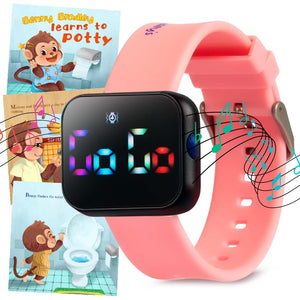
Potty Training Watch
Helps kids remember bathroom routine—including wiping. Consistent reminders build habits that carry over to daycare.
View on Amazon →Teaching Wiping at Home
Typical skill development:
- Age 3: Can attempt wiping but usually not effective
- Age 4: Improving but still needs checking
- Age 5: Should be mostly independent
- Age 6+: Full independence expected
Teaching techniques:
- Demonstrate with hand-over-hand guidance
- Use wet wipes initially (easier to clean)
- Teach front-to-back for girls
- Show how much paper to use
- Practice until paper comes away clean
Common struggles:
- Not wiping thoroughly (rushing to get back to play)
- Using too little or too much paper
- Difficulty reaching
- Forgetting to wipe at all
Hygiene backup: Even children who wipe independently may benefit from flushable wipes for better cleaning, especially at ages 3-4.
Communication with daycare is key. Understand their expectations, share your child's current abilities, and work together on building skills.